AI in Medicine: How Algorithms Are Reshaping Healthcare
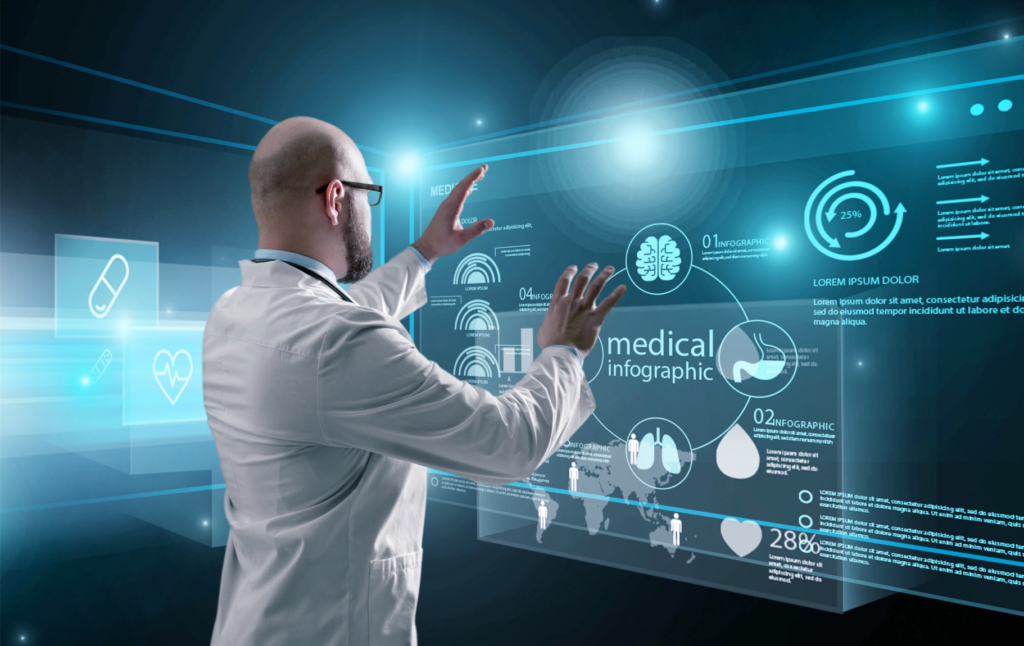
The landscape of healthcare has always been shaped by innovation, from the discovery of penicillin to the invention of MRI machines. Today, another transformation is underway, and it is not coming from a laboratory filled with test tubes, but from lines of code. Artificial intelligence, particularly machine learning algorithms, is reshaping how doctors diagnose, treat, and even prevent disease. The promise of AI in medicine lies in its ability to process vast amounts of information quickly and recognize patterns that even the most skilled human practitioners might miss. At its core, AI is not meant to replace doctors, but rather to expand their capabilities and allow them to provide better, more precise care.
Diagnosing with Precision
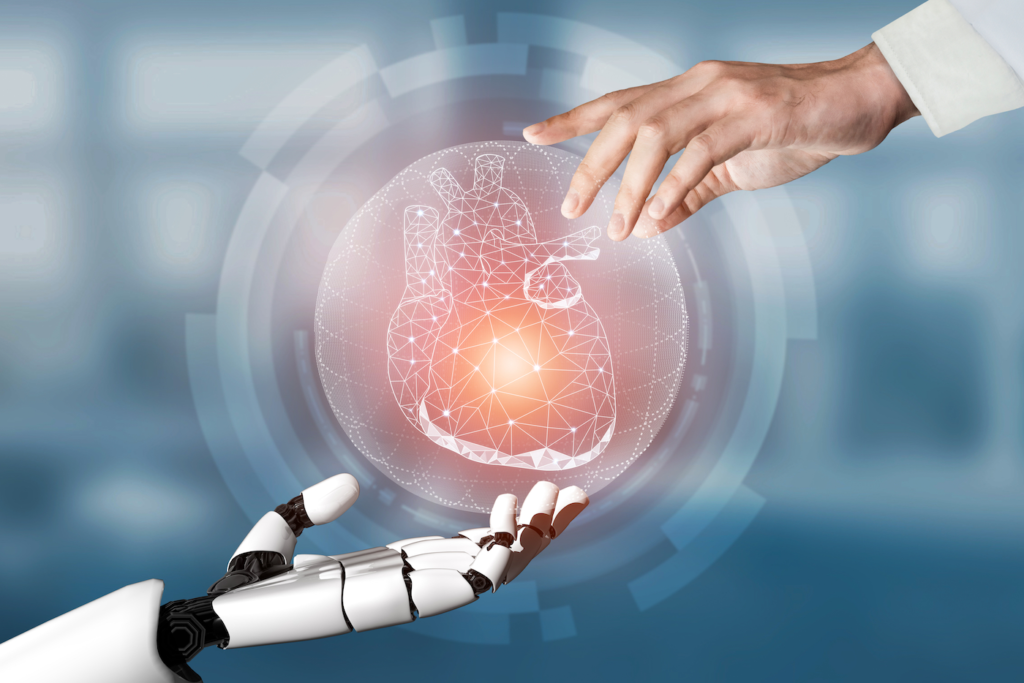
One of the most remarkable breakthroughs of AI in healthcare is in the field of medical imaging. Radiologists often face the challenge of sifting through hundreds of scans in search of subtle abnormalities. Algorithms, however, can analyze images in seconds and detect early signs of cancer, fractures, or neurological disorders with incredible accuracy. For instance, AI systems have been developed that can spot breast cancer in mammograms at a rate comparable to or better than experienced radiologists. This does not mean machines will take over radiology, but rather that they serve as a second pair of eyes, reducing human error and providing reassurance in critical cases. Just as AI can assist in healthcare, similar technologies are being explored in fashion to recommend items like men’s button up shirts based on personal style and fit preferences.
Beyond imaging, AI is also being applied in pathology. By analyzing tissue samples, algorithms can identify the presence of tumors, their aggressiveness, and even predict the likelihood of disease progression. In some cases, AI-driven diagnostics are offering personalized insights that traditional methods cannot provide, paving the way for earlier interventions and more tailored treatments.
Personalized Medicine: Treatment Tailored to You
Healthcare has long operated on a model of one-size-fits-all, but human biology is far too complex for such simplicity. AI makes personalized medicine possible by analyzing genetic data, medical history, lifestyle factors, and even data from wearable devices. Imagine a system that can predict how a patient will respond to a specific drug before it is prescribed. This is no longer science fiction. Machine learning models are helping oncologists select the best cancer treatments for individual patients, reducing the trial-and-error approach that can waste precious time. Just as medicine is becoming more personalized, other industries are exploring tailored experiences, such as offering extra-strength chocolate cones edibles to meet specific consumer preferences.
Moreover, AI-driven drug discovery is accelerating the creation of new therapies. Traditionally, bringing a drug from concept to market takes years and billions of dollars. By simulating how molecules interact with the human body, algorithms can narrow down the most promising candidates in a fraction of the time. During the COVID-19 pandemic, such tools were instrumental in speeding up the search for effective treatments and vaccines.
Virtual Assistants and Everyday Healthcare
AI is not only revolutionizing high-stakes medicine but also making everyday healthcare more accessible. Chatbots and virtual health assistants now provide patients with 24/7 guidance, answering questions, triaging symptoms, and reminding individuals to take their medications. For patients in remote areas or countries with physician shortages, these tools can mean the difference between getting timely advice and having no access to care at all.
Wearable devices integrated with AI also allow real-time monitoring of health indicators such as heart rate, blood sugar, and oxygen levels. These systems can alert patients and doctors to potential problems before they become emergencies. For example, an AI-powered smartwatch can detect irregular heart rhythms and prompt the user to seek medical attention before a stroke occurs.
The Ethical Dilemma: Trusting Machines with Life
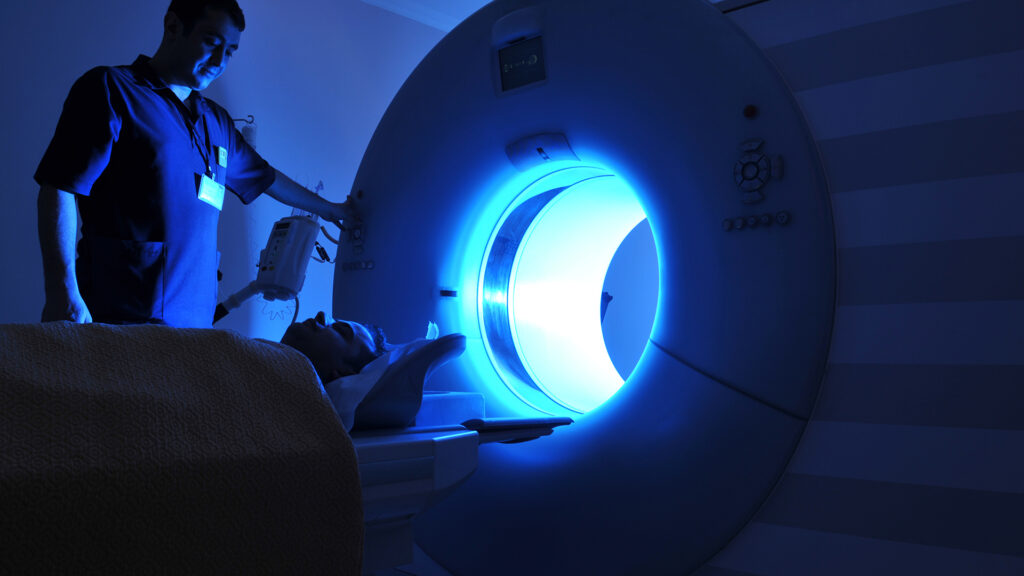
Despite its transformative potential, AI in medicine raises critical ethical and social questions. Who is responsible if an AI system makes a wrong diagnosis? Patients may be hesitant to trust algorithms with life-or-death decisions, while doctors may worry about losing autonomy in their practice. Ensuring transparency in how these algorithms work is essential, especially since many operate as “black boxes” where even developers cannot fully explain the decision-making process.
Bias in AI is another serious concern. If algorithms are trained primarily on data from certain populations, they may not perform as well on others, leading to health disparities. Addressing this requires inclusive data collection and careful oversight to make sure AI serves all patients equally.
The Future: Collaboration, Not Replacement
While science fiction often paints a picture of robots replacing doctors, the reality is far more collaborative. AI’s strength lies in processing data, while human doctors bring empathy, ethical reasoning, and the ability to understand the complexities of human life. The future of healthcare will likely see a partnership between the two, where algorithms provide evidence-based insights and physicians use them to make more informed, compassionate decisions.
Hospitals of tomorrow may operate differently as well. From AI-driven hospital management that optimizes patient flow and resource allocation, to predictive systems that can anticipate disease outbreaks in communities, the reach of AI will extend beyond the individual to the entire ecosystem of healthcare.
Conclusion: A Smarter, Healthier Future
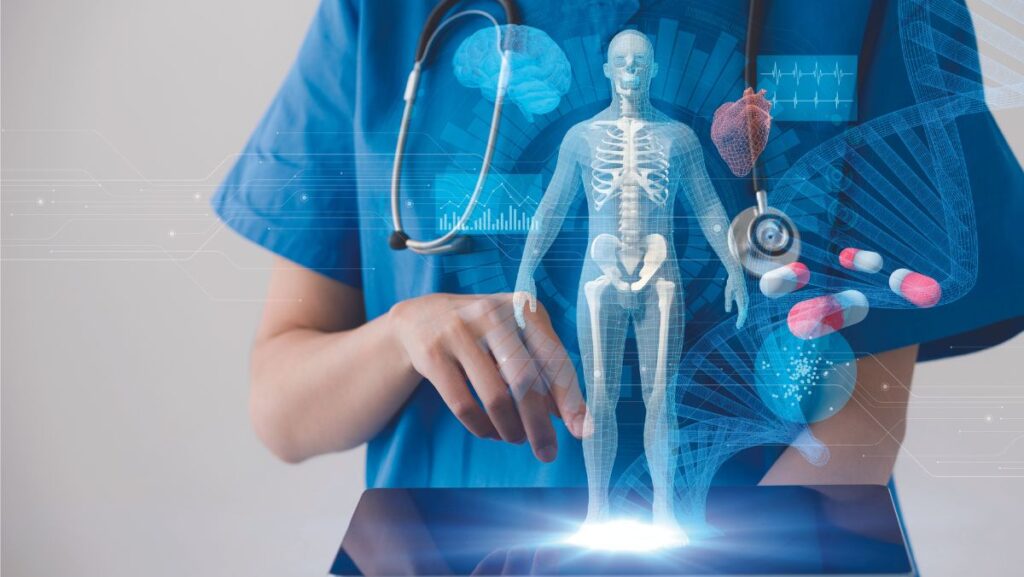
Artificial intelligence in medicine is no longer a distant dream but a present reality that continues to evolve at breathtaking speed. It is making diagnoses more accurate, treatments more personalized, and healthcare more accessible. Yet, its success will depend not only on technological innovation but also on addressing ethical challenges, ensuring fairness, and maintaining the irreplaceable human touch in healing. The doctor of the future will not be replaced by AI, but by a doctor who uses AI wisely. If developed responsibly, algorithms may indeed reshape healthcare into a system that is more efficient, compassionate, and effective than ever before.