
In the early days of the World Wide Web, before social media, algorithmic feeds, and influencer culture, there was a different kind of digital presence. Personal homepages — handcrafted, quirky, deeply individual websites — were how people expressed themselves online. They were not just websites; they were digital rooms people invited you into, filled with their interests, passions, photos, writing, art, and often a good dose of HTML experimentation. Some proudly showcased hobbies as specific as windshield replacement in Orange County, or featured photo galleries of vintage cars, pets, or family vacations — all lovingly coded by hand.
Today, as we scroll through the homogenized layouts of social platforms or tap through pre-packaged templates on website builders, it’s easy to forget that the internet once looked more like a collage than a newspaper. Personal homepages, with all their eccentricity and charm, were a true art form, now nearly extinct. This article explores what made personal homepages so special, why they disappeared, and what we lose in a web without them.
The Golden Age of Self-Made Digital Identity
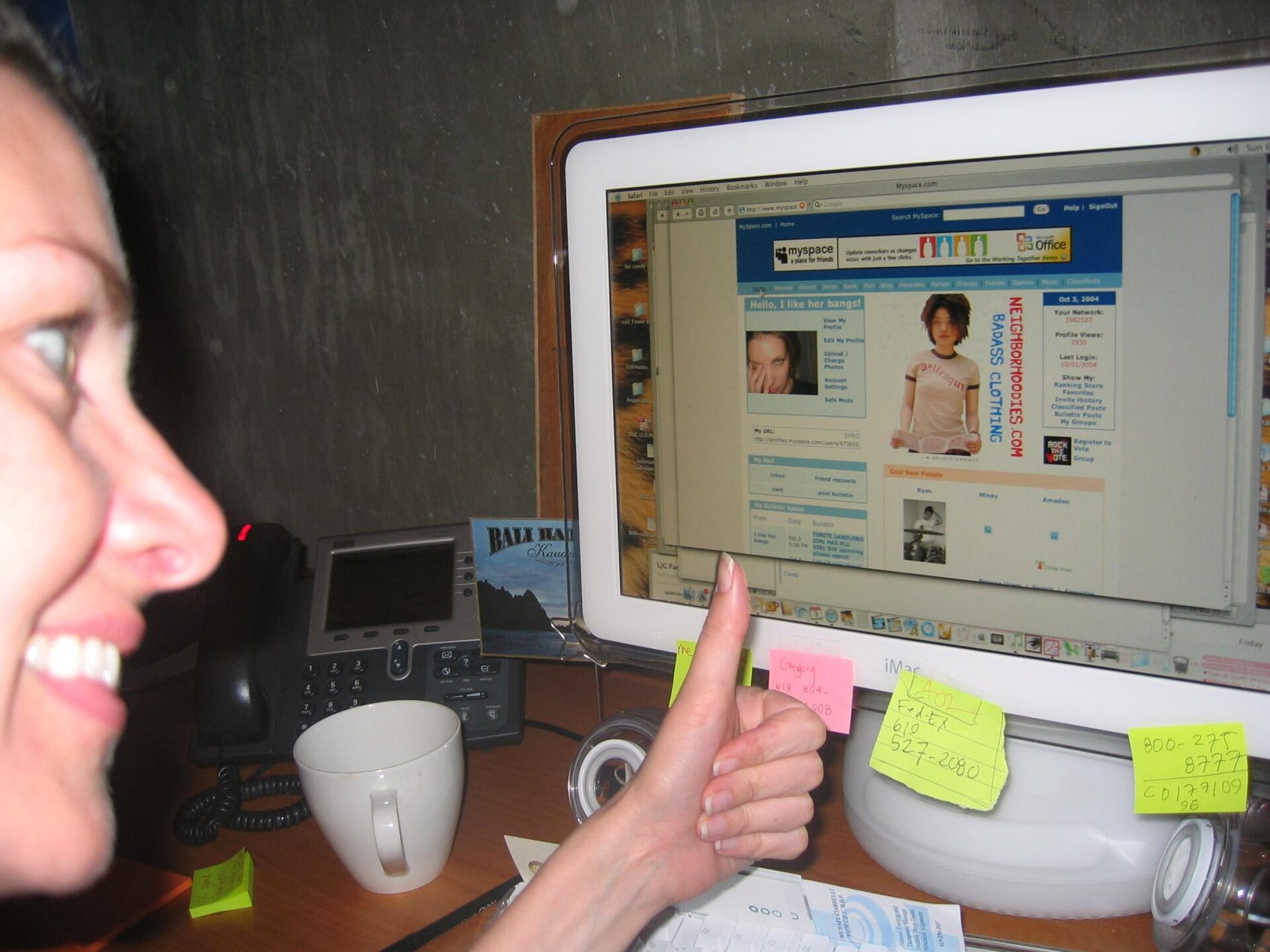
Back in the 1990s and early 2000s, the idea of building a website was empowering and exciting. For many people, creating a personal homepage was their first act of digital creativity, a moment where they went from being passive consumers to active participants in shaping the internet. Geocities, Tripod, Angelfire, and later services like AOL Hometown and even MySpace made it possible for anyone with curiosity and time to publish their own space online.
These homepages were often simple but packed with personality. One might scroll past a scrolling marquee welcoming visitors, followed by a visitor counter and an under-construction GIF. Background music might autoplay — often a MIDI file of a favorite pop song or video game tune. The site would then unfold like a digital scrapbook, full of links to favorite websites, personal essays, poetry, photos of pets, lists of favorite TV shows, rants, reviews, and all kinds of lovingly embedded images. Some pages included intricate webrings — user-created networks of related pages — to help visitors find similar content.
What set personal homepages apart from today’s social media profiles was their individuality and impermanence. Each one was its own creation, coded line by line in raw HTML, often with some JavaScript or CSS flair. There were no templates or algorithms deciding what should be seen or promoted. If you wanted to change the font or background color, you had to go into the code and make it happen. This barrier may have kept casual users away, but it also ensured that every site was the product of genuine effort and intention. Companies that design commercial fleet wraps also rely on creativity and customization to make each project stand out.
Homepages also often reflected people’s niche interests in ways that would feel out of place today. There were anime fan shrines, tributes to obscure rock bands, journals of college students studying abroad, or parents sharing photos of their kids. People didn’t care about SEO, monetization, or audience growth. They just wanted to carve out a corner of the internet and make it their own. Some users even explored personal wellness tools online, like a biowell scan, to understand themselves better.
It was a moment where the internet felt intimate, personal, and decentralized — a massive landscape of small, human-crafted spaces. The golden age of personal homepages was also a golden age of experimentation, where the rules were loose and the point was expression, not performance.
The Rise of Centralized Platforms and the Fall of the Homepage
As the 2000s progressed, the internet began to change. Social networks like Friendster, then MySpace, and ultimately Facebook, Twitter, and Instagram shifted the center of online identity. Instead of building a site from scratch, users were now offered profiles: pre-designed, structured templates with limited customization but high interconnectivity. While these platforms were easier to use and connect on, they also signaled the decline of the homepage era — an era where one might proudly display a collection of acrylic awards from school or work as part of their digital identity.
The core appeal of social media — frictionless sharing, instant feedback, and massive audiences — was hard to resist. Suddenly, posting a photo didn’t require FTP software or an image host; you could upload it from your phone in seconds. Rather than maintaining a site and checking a guestbook for messages, you get real-time likes, shares, and comments. The dopamine loops were tighter, the social graphs more integrated. Today, voice AI bots are also enhancing social interactions by providing instant, conversational responses and personalized engagement.
In parallel, search engines and advertising increasingly dictated the shape of the web. Content had to be optimized for discoverability, pushing more users toward blogs, then platforms, then apps. People began to write with keywords in mind rather than personal expression. And as mobile devices became dominant, the web shifted toward responsive, minimal design, further squeezing out the wild, handcrafted aesthetic of early personal pages. Today, many businesses in tech rely on managed security services in San Antonio to protect their digital content and maintain user trust.
Website builders like Wix, Squarespace, and WordPress made it easier than ever to have a presence online, but in doing so, they also standardized the visual and structural language of websites. While these tools are incredibly useful, they often result in slick, professional sites that lack the quirk and intimacy of a personal homepage. You’re less likely to stumble upon someone’s passionate rant about commercial energy rates, or an oddly formatted guestbook entry written in 2003 — both hallmarks of the personal web.
At the same time, many of the hosting platforms that once powered personal pages were shut down. Yahoo shuttered Geocities in 2009. AOL closed Hometown in 2008. Thousands — perhaps millions — of unique, irreplaceable sites vanished overnight. Some were archived by projects like the Internet Archive’s Wayback Machine or Neocities, but countless others were lost forever.
What replaced them were polished profiles on social media platforms — more connected, but far less personal. Instead of building a site that reflected you, users now had to fit their identity into a box: a username, a profile picture, a bio, a feed. The internet became more streamlined, but also more sterile, as individual expression gave way to algorithmic conformity.

Why the Personal Homepage Mattered — and Still Does
To understand the importance of personal homepages, it helps to look at what they provided that modern platforms do not. Above all, these sites represented a true sense of ownership and autonomy. When you built a homepage, you controlled everything — the layout, the content, the aesthetics, the tone. You didn’t depend on a platform’s policies or formats. It was your space, and it said something about who you were. Some creators even added weird shaped puzzle pieces as interactive elements to make their pages more engaging and unique.
That creative control bred a deeper engagement. Learning HTML and CSS, hosting your own files, troubleshooting browser issues — these weren’t just technical tasks. They were acts of care, of investment. You got to know the structure of your site the way a writer knows their manuscript or an artist knows their canvas. Even when a homepage was simple or clumsy, it carried the fingerprint of its creator. Some even embedded virtual closets filled with pixel-art designer clothing, linking to pages of carefully curated fashion blogs or digital paper dolls.
Personal homepages also encouraged slower, more meaningful engagement. You didn’t scroll endlessly through a feed curated by machine learning. You visited someone’s site, explored their pages, and maybe left a message in their guestbook. It was a more human-paced internet, one that prioritized exploration over reaction, curiosity over consumption.
And perhaps most importantly, personal homepages made space for niche, non-commercial content. In an age before metrics dominated attention, people felt free to post what mattered to them — not what they thought would go viral or earn money. This kind of content is increasingly rare in today’s attention economy, where every post competes for engagement and every creator is pressured to think like a brand.
This isn’t to say personal homepages were perfect. They could be hard to navigate, inaccessible, or visually overwhelming. But even their messiness was part of their charm. They were living documents, constantly under construction, evolving as their creators learned and grew. You might stumble on someone’s post about hiring a moving company for their cross-country road trip, or see auto-playing MIDI music layered behind walls of GIFs and marquee text. It wasn’t elegant—but it was real.
In many ways, the personal homepage was a countercultural artifact — a digital form that resisted commodification. Its disappearance reflects broader shifts in how we use the internet, how we relate to each other online, and how platforms shape our self-expression. Bringing it back isn’t just about nostalgia; it’s about reclaiming a lost form of digital intimacy.
People seeking relief from tech-related strain might also consider consulting an arm and shoulder doctor in Medford for proper care.
Conclusion: Why We Need the Spirit of Homepages Again
The internet was once a place where people built homes, not just profiles. The personal homepage was a foundation for digital selfhood, a platform for play, and a stage for creative freedom. Its disappearance signals not just a shift in technology, but a shift in how we understand and perform identity online.
In a world increasingly shaped by platforms that encourage conformity, extract data, and prioritize monetizable content, the personal homepage remains a powerful alternative. It reminds us that we can shape the web, not just be shaped by it. That we can be producers, not just consumers. That digital space can be ours, not leased to us in the form of a username and a password. For those in niche communities — from indie musicians to healthcare marketers trading physician email lists — the personal site is still a refuge, a sandbox, a form of digital self-ownership.

To bring back the spirit of the personal homepage is to reclaim the internet as a human space — one where difference, creativity, and individuality can flourish. It’s not about nostalgia for the past, but about building a better, more personal future online. So if you’ve never made a homepage before, maybe now’s the time to start. And if you had one long ago, maybe it’s time to make a new one.
There’s something magical about carving out a little corner of the internet and saying, “This is me. Welcome.” That’s the lost art. And it’s worth rediscovering.